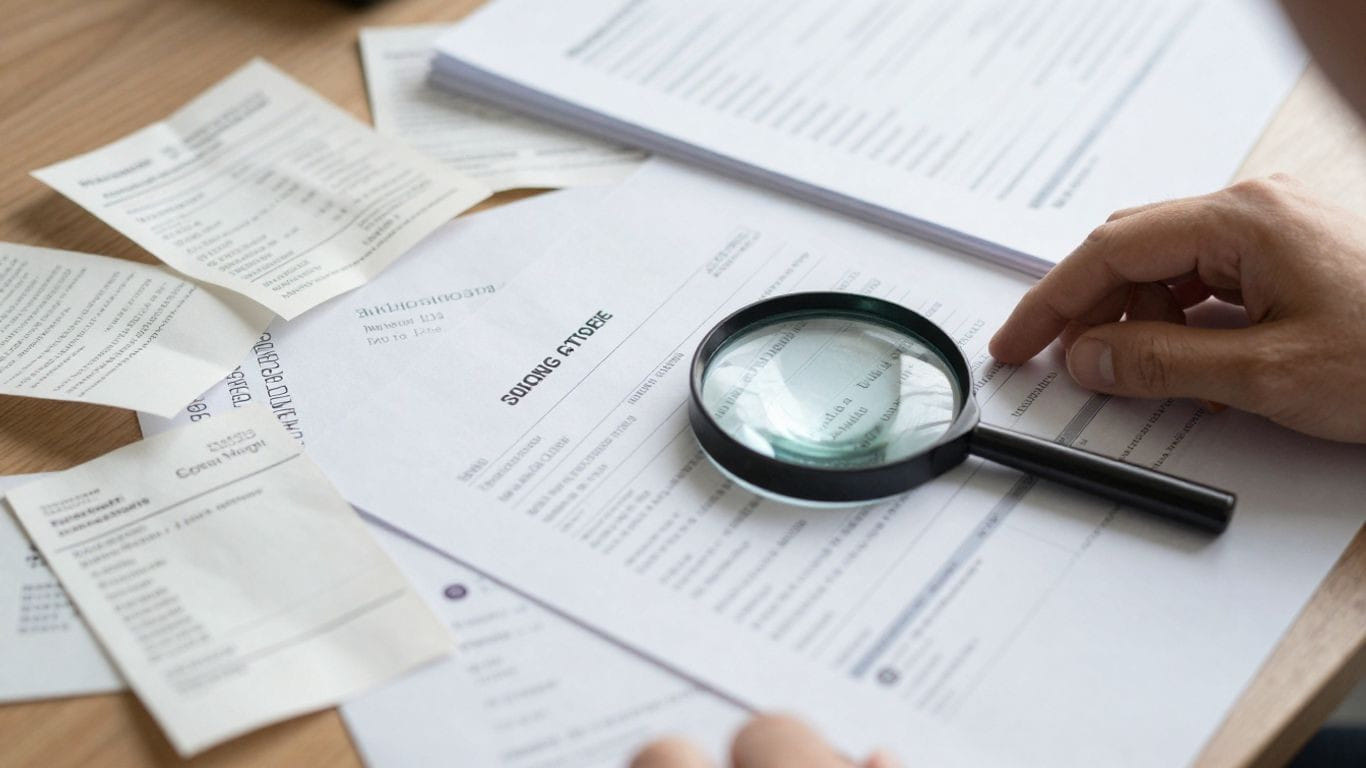
Don't Let Your Finances Spiral: How to Fix a Bookkeeping Mess
Recognizing The Signs Of A Bookkeeping Mess
Let's be real, bookkeeping isn't always the most exciting part of running a business. Sometimes it feels like a chore we'd rather put off. But ignoring it is like ignoring a small leak in your roof it might seem minor now, but it can turn into a major disaster later. If you're starting to feel overwhelmed or confused by your business's finances, it's probably a sign that your bookkeeping system needs some serious attention. Don't wait until things get completely out of hand. Here are some common red flags that indicate your books are in a bit of a muddle:
Missed Deadlines And Tax Filing Chaos
Are you constantly scrambling when tax season rolls around? Do you find yourself rushing to gather documents at the last minute, or worse, missing deadlines altogether? This is a big one. When your bookkeeping is disorganized, it's tough to know exactly when taxes are due, how much you owe, or even where to find the information to figure it out. This can lead to late fees, penalties, and a whole lot of unnecessary stress. A well-maintained bookkeeping system should make tax time manageable, not terrifying.
Inconsistent Or Missing Financial Records
Imagine needing to find a specific invoice or receipt and having to dig through stacks of paper or endless digital folders. If your financial records are incomplete, scattered, or just plain missing, it's a clear sign your bookkeeping is off track. This inconsistency makes it nearly impossible to get a clear picture of your business's financial health. You need accurate records to make smart decisions, and if they're not there, you're essentially flying blind.
Cash Flow Confusion
Does your business's bank account seem to have a mind of its own? One week you feel like you have plenty of money, and the next you're worried about paying bills? If you're constantly surprised by your cash flow situation, or you're not really sure what it looks like on any given day, your bookkeeping is likely the culprit. Good bookkeeping tracks money coming in and going out, so you can anticipate shortages and avoid those uncomfortable
The Real Cost Of Neglecting Your Books

Look, nobody likes dealing with numbers all the time. It's easy to push bookkeeping to the back burner, especially when you're busy building your business. But letting your financial records get messy isn't just a minor inconvenience; it can actually hurt your company in some pretty big ways. It's like ignoring a small leak in your roof it might seem fine for a while, but eventually, it can cause serious damage.
Massive Blind Spots In Financial Clarity
When your books are a jumbled mess, you're basically flying blind. You can't get a clear picture of how your business is actually doing. Imagine trying to make important decisions without all the facts that's what messy bookkeeping does. You might not know if you're actually making a profit, where your money is going, or if you have enough cash to cover upcoming expenses. This lack of clarity can lead to bad choices that cost you money and opportunities. Without accurate financial data, you can't confidently answer questions about your business's performance, which is a huge problem when talking to potential investors or lenders. It's hard to get funding if you can't show them the numbers.
Risk Of Surprise Cash Crunches
One of the scariest things for any business owner is running out of cash unexpectedly. Messy bookkeeping is a major reason this happens. If you're not tracking your income and expenses properly, you might not see a cash shortage coming until it's too late. This can force you into making desperate decisions, like taking out a high-interest loan or cutting costs in ways that harm your business long-term. You might have to delay paying bills, which can damage your relationships with suppliers, or even miss payroll, which is a disaster for employee morale. Keeping your books clean helps you anticipate these issues and plan accordingly, avoiding those stressful, last-minute scrambles for cash. It's about having a heads-up so you can prepare, not just react. You can find more information on common small business accounting errors that can lead to these problems.
Impact On Investor Confidence
If you're looking for outside investment, your financial records are one of the first things potential investors will scrutinize. A disorganized or inaccurate set of books sends up a huge red flag. It suggests you're not on top of your business operations, which makes investors nervous. They want to see that you have a solid understanding of your company's financial health and that you're managing it responsibly. If you can't provide clear, reliable financial statements when asked, they'll likely walk away. This can mean missing out on crucial funding that could help your business grow. Building trust with investors starts with having your financial house in order. It shows professionalism and a commitment to transparency, making them more likely to believe in your vision and your ability to execute it.
Implementing Solutions To Fix Bookkeeping Mess
Alright, so you've spotted the red flags missed deadlines, confusing cash flow, and a general sense that your financial records are more of a tangled mess than a helpful tool. It happens to the best of us, especially when you're busy running a business. But the good news is, you can absolutely fix it. It just takes a bit of focused effort and the right approach.
Switch To Cloud-Based Accounting Software
If you're still wrestling with spreadsheets or outdated desktop software, it's probably time for an upgrade. Moving your bookkeeping to the cloud can make a huge difference. Think of it like upgrading from a flip phone to a smartphone everything is just easier and more accessible. Tools like QuickBooks Online or Xero let you see what's happening with your money in real-time. You can track expenses as they happen, send out invoices, and even connect your bank accounts so transactions are pulled in automatically. This makes it way simpler to keep things organized and even lets you share access with your accountant if you have one.
Set Up Regular Financial Reviews
Once you've done the big cleanup, you don't want to let things slide again. Setting up a routine for checking in on your finances is key. This doesn't have to be a huge time commitment. Maybe it's a quick monthly review of your main financial statements, or a quarterly deep dive. The point is to catch any small issues before they turn into big problems. Its like a regular check-up for your businesss financial health.
A consistent review process helps you spot trends, understand your spending habits, and make smarter decisions for your business's future. Don't wait for a crisis to look at your numbers.
Outsource Your Bookkeeping To Professionals
Sometimes, the mess is just too big to tackle on your own, or maybe you just don't have the time or interest. That's where bringing in a professional bookkeeper or accountant can be a game-changer. They've seen it all before and know exactly how to sort through the chaos, get your records straight, and set up systems to keep things running smoothly going forward. It might seem like an extra expense, but the peace of mind and the accuracy you gain can save you a lot of headaches (and money) down the road. If you're feeling overwhelmed, consider looking into professional bookkeeping services to get your books back on track.
Heres a quick look at what outsourcing can do:
- Expertise: Professionals know the ins and outs of accounting rules and best practices.
- Time Savings: Frees you up to focus on running and growing your business.
- Accuracy: Reduces errors and ensures your financial data is reliable.
- Scalability: Can adjust services as your business needs change.
Establishing A Routine To Maintain Order
Look, nobody likes doing chores, and bookkeeping can feel like the ultimate chore sometimes. But here's the thing: letting it pile up is way worse. It's like that sink full of dishes ignoring it just makes it a bigger, grosser problem later. The good news is, you don't need to become a CPA overnight. You just need a system, a rhythm, something to keep things from getting out of hand. Think of it as preventative maintenance for your business's money.
Your Weekly Bookkeeping Sprint
This isn't about doing a full deep dive into your finances. It's more like a quick tidy-up. Schedule about 30 minutes each week, maybe Friday afternoon when you're winding down, to just get things in order. Put it on your calendar like any other important meeting. Seriously, it makes a difference.
Heres a quick rundown of what to hit during your sprint:
- Sort Out Transactions: Jump into your accounting software. Those bank feeds are probably showing a bunch of new transactions. Since it was just this week, you'll actually remember what that $25 charge at the coffee shop was for.
- Attach Digital Receipts: Bought something important? Snap a photo or save the PDF and link it to the transaction right then and there. This stops the dreaded shoebox of receipts from ever happening.
- Check Open Invoices: Take a peek at who owes you money. If an invoice is just a few days past due, a quick, friendly reminder now is way better than a frantic chase later.
Categorize Transactions Consistently
This is where your Chart of Accounts comes in handy, but let's keep it simple. Whatever categories you set up, stick to them. If you bought office supplies, don't sometimes put it under 'Office Expenses' and other times under 'Supplies'. Pick one and use it every single time. This consistency is what makes your financial reports actually useful. Its like sorting your laundry whites with whites, colors with colors. You know what goes where.
The goal here isn't perfection, it's predictability. When you know where things should go, and you do it regularly, the whole process becomes less of a headache and more of a habit.
Attach Digital Receipts Promptly
Seriously, don't let those receipts pile up. Every time you make a purchase for the business, take a second to deal with the receipt. If it's a physical one, snap a picture with your phone. If it's digital, save it. Then, immediately attach it to the corresponding transaction in your accounting software. This might sound like a small thing, but it saves you a massive headache down the line when you're trying to figure out what that charge was for or when tax time rolls around. Its way easier to do it when the memory is fresh than trying to recall it weeks or months later.
Reconciling Accounts For Accuracy
Okay, so you've got a bit of a mess on your hands. Don't sweat it. The next big step to untangling all those numbers is making sure everything actually adds up. This is where reconciliation comes in, and honestly, it's like giving your financial records a good, honest check-up. Its about comparing what your bank says you did with what your own books say you did. Think of it like double-checking your grocery list against the actual items in your cart you want them to match, right?
Reconcile Bank Statements With Internal Records
This is the core of reconciliation. You're basically playing detective between your bank statements and your accounting software or spreadsheets. The goal is simple: make sure every single transaction on your bank statement has a corresponding entry in your books, and vice versa. If you're using cloud accounting software, this process is often way easier because it can pull in your bank data automatically. You just need to go through and match things up. If a transaction shows up on your bank statement but not in your books, you need to figure out why and add it. If you see something in your books that isn't on the bank statement, that's a red flag too maybe it's a check that hasn't cleared yet, or maybe it's something you forgot to record.
- Match deposits: Ensure all money coming in is accounted for on both sides.
- Verify withdrawals and payments: Check that all money going out is recorded correctly.
- Look for fees and interest: Don't forget bank charges or any interest earned; these often get missed.
- Identify outstanding items: Note checks you've written but haven't cleared the bank yet, or deposits you've made that haven't shown up on the statement.
The magic happens when your bank balance and your book balance are the same. If they're not, don't panic. It just means there's a puzzle piece missing somewhere, and it's your job to find it.
Investigate Unaccounted-For Income And Expenses
So, your bank statement and your books don't quite line up. Bummer. Now comes the slightly less fun part: digging into those discrepancies. This is where you hunt down those phantom transactions. Maybe a client paid you, but it got lost in the shuffle, or perhaps you made a purchase you completely forgot to log. Its super important to track down every single oddity. Even small errors can snowball into big problems later on, so catching them now is key. This might involve going back through old invoices, checking credit card statements, or even asking your bank for clarification on certain charges.
Clear Up Outstanding Accounts Receivable
This one is all about the money that's owed to you. Accounts Receivable (AR) are those invoices you've sent out to clients that haven't been paid yet. When you're reconciling, you need to make sure your AR records are accurate. Are there invoices listed that have actually been paid? You need to update those. Are there invoices that are way past due? You need to follow up on those payments. Keeping your AR clean means you have a clearer picture of the cash you can actually expect to come in, which is pretty vital for planning.
- Review your AR aging report to see which invoices are oldest.
- Contact clients with overdue invoices to remind them and arrange payment.
- Update your records immediately once payment is received.
- Consider if any old, uncollectible debts need to be written off.
Choosing The Right Tools For Success
Okay, so you've decided to tackle that bookkeeping mess. That's awesome! Now, let's talk about making your life easier with the right tools. Think of it like this: you wouldn't try to build a house with just a hammer, right? You need the right gear for the job. The same goes for your finances. Trying to keep track of everything with just spreadsheets or a shoebox full of receipts is a recipe for disaster once your business starts to grow.
Select Appropriate Accounting Software
This is probably the biggest game-changer. Forget those clunky old desktop programs. We're talking about cloud-based accounting software. Why? Because it's accessible from anywhere, anytime. Whether you're at home, at a coffee shop, or on a business trip, your financial data is right there. It syncs up with your bank accounts, pulling in transactions automatically. This alone saves you a ton of time and cuts down on those annoying manual entry errors. The key is to pick software that grows with you. What works for a brand-new startup might not cut it when you're scaling up.
Here's a quick look at what to consider based on where your business is at:
| Stage of Business | Primary Goal | Must-Have Features | Typical Budget (Monthly) |
|---|---|---|---|
| Pre-Seed / Bootstrapped | Simplicity & Cost-Effectiveness | Bank feeds, expense tracking, simple invoicing | $30 - $70 |
| Seed Stage | Scalability & Basic Reporting | Customizable chart of accounts, P&L, Balance Sheet | $70 - $200 |
| Series A and Beyond | Advanced Reporting & Compliance | Revenue recognition, advanced analytics, audit trails | $200+ |
Optimize Your Chart Of Accounts
Your Chart of Accounts (COA) is basically the backbone of your bookkeeping. It's a list of all the financial accounts your business uses to track money. Getting this set up right from the start is super important. It helps you organize everything so you can easily see where your money is coming from and where it's going. A well-organized COA makes generating reports a breeze and helps you understand your business's financial health at a glance.
Think about setting it up with clear categories. For example:
- Revenue: How you make money (e.g., SaaS Subscription Revenue, Service Fees).
- Cost of Goods Sold (COGS): Direct costs tied to selling your product or service.
- Operating Expenses: Costs to run your business (e.g., Salaries, Software Subscriptions, Marketing, Rent, Bank Fees).
A properly structured Chart of Accounts transforms your financial data from a confusing jumble into a clear roadmap for decision-making. It's not just about tracking numbers; it's about understanding your business's performance and planning for the future.
Leverage Technology For Efficiency
Beyond just accounting software, there are other tech tools that can make your bookkeeping life way simpler. Think about apps that help you scan and store receipts digitally, or tools that integrate directly with your payment processors like Stripe. The goal here is automation. The more you can automate repetitive tasks, the less time you'll spend on bookkeeping and the more time you can spend actually running and growing your business. Its about making your financial processes work for you, not against you.
Schedule a consultation to see how Proven can help your business thrive.
Let’s discuss Proven’s streamlined back-office solutions and strategic executive leadership.