
Mastering Electrician Business Accounting: Essential Tips for Growth
Establishing A Strong Financial Foundation For Your Electrician Business
Running an electrical business is rewarding, but let's be honest, the financial side can sometimes feel like untangling a mess of wires. Getting your finances sorted from the get-go is super important. It's not just about tax time; it's about knowing if you're actually making money and how to grow. Think of it like building a solid foundation for a house without it, everything else can get shaky.
Separating Business and Personal Finances
This is rule number one, no exceptions. Mixing your business money with your personal cash is a recipe for disaster. It makes tracking expenses a nightmare, confuses your profitability, and can even cause big legal headaches, especially if you've set up your business as an LLC or corporation. It's like trying to figure out which wire is hot when they're all jumbled together. You absolutely need a separate business bank account and a business credit card. All your business income should go into that account, and every business expense should come out of it. This keeps things clean, makes accounting way easier, and protects your personal assets.
Choosing the Right Accounting Software
Forget the shoebox full of receipts or that complicated spreadsheet you barely understand. For an electrical business, you need proper tools. Modern accounting software is designed to handle the ins and outs of a trade business. It helps you track invoices, manage expenses, and get a clear picture of your finances without you having to be a math whiz. There are tons of options out there, so find one that fits your budget and your business's needs. Many offer features specifically for contractors, which can be a lifesaver. Getting a handle on your finances is key to making informed decisions about your electrical contracting business.
Understanding The Difference Between Accounting and Bookkeeping
People often use these terms interchangeably, but they're not quite the same. Bookkeeping is the day-to-day recording of all your financial transactions every invoice sent, every bill paid, every material cost. Its the detailed log of whats happening financially. Accounting, on the other hand, is the bigger picture. It involves analyzing those bookkeeping records to understand your business's financial health, prepare financial statements, and make strategic decisions. You can't have good accounting without solid bookkeeping first. Its like the difference between noting down every single wire connection and then looking at the whole electrical diagram to see how it all works together.
Getting your financial house in order early on means you're not constantly putting out fires later. It gives you the clarity to see what's working and what's not, allowing you to focus on growing your business instead of just surviving.
Leveraging Technology For Efficient Electrician Business Accounting
Look, we all know you're great with wires and circuits, but let's be honest, wrestling with spreadsheets and piles of receipts probably isn't your favorite part of running an electrical business. That's where technology swoops in to save the day. Using the right tools can seriously cut down on the time you spend on paperwork and make sure your finances are actually making sense. Its like having a super-efficient apprentice who never complains and always gets the numbers right.
The Game-Changing Role Of Accounting Software
Think about it: manually tracking every single invoice, expense, and payroll detail is a recipe for mistakes and lost time. Accounting software designed for trades, like electrical contractors, takes a lot of that grunt work off your plate. These programs are built to handle the specific needs of your business, from job costing to invoicing. They can automate tasks that used to take hours, freeing you up to focus on what you do best electrical work. Plus, having all your financial data in one place makes it way easier to see how your business is actually performing. Its not just about keeping records; its about getting a clear picture of your business's financial health. You can find some great options for electrical business management software that include these accounting features.
Essential Features For Electrical Contractor Software
When you're looking at software, don't just grab the first thing you see. You need tools that actually help your electrical business. Here are some must-haves:
- Invoicing and Estimates: Needs to be quick and easy to create professional-looking invoices and estimates, maybe even from your phone on the job site.
- Expense Tracking: A simple way to log expenses, ideally with the ability to snap photos of receipts. This is huge for tax time.
- Payroll Management: Handling employee pay, taxes, and deductions can be complicated. Good software makes this much smoother.
- Reporting: You need reports that actually tell you something useful, like profit and loss statements and cash flow summaries.
- Integration: Does it play nice with other tools you use, like scheduling or inventory software?
Keeping your financial records organized isn't just about avoiding headaches during tax season. It's about having the information you need to make smart decisions every single day. Knowing your numbers helps you figure out which jobs are most profitable and where you might be spending too much.
Streamlining Record-Keeping With Digital Tools
Paper receipts and scattered notes are a thing of the past. Digital tools make keeping track of everything so much simpler. You can use your accounting software to store digital copies of all your receipts and invoices. This means no more digging through filing cabinets when you need to find something. Many apps allow you to snap a picture of a receipt with your phone and upload it directly. This keeps everything organized and accessible from anywhere. Regularly updating your digital records, maybe at the end of each workday, can prevent a massive backlog later on. Its about building good habits that make managing your business finances feel less like a chore and more like a natural part of your workflow.
Mastering Key Financial Statements For Electrician Businesses
Alright, so you're great with wires, but how are you doing with the numbers? Understanding your business's financial statements is like having a diagnostic tool for your company's health. They tell you where you've been, where you are, and where you're headed. Let's break down the big three.
Understanding The Profit and Loss Statement
Think of your Profit and Loss (P&L) statement, also called an Income Statement, as a report card for a specific period, like a month or a quarter. It shows you how much money you brought in (revenue) and how much you spent (expenses) to earn that money. The bottom line? That's your profit or loss. It helps you see if your services are priced right and if you're controlling costs effectively.
- Revenue: All the money you earned from jobs.
- Cost of Goods Sold (COGS): Direct costs tied to jobs, like materials and sometimes direct labor.
- Gross Profit: Revenue minus COGS. This shows how much you make from your core services before other business costs.
- Operating Expenses: Costs to run the business, like rent, utilities, insurance, and marketing.
- Net Profit: What's left after all expenses are paid. This is the real profit.
Analyzing The Balance Sheet For Business Health
The Balance Sheet is a snapshot. It shows what your business owns (assets), what it owes (liabilities), and the owner's stake (equity) at a specific moment in time. It's like checking the structural integrity of your business's foundation.
- Assets: Things your business owns that have value. This includes cash in the bank, accounts receivable (money clients owe you), tools, vehicles, and equipment.
- Liabilities: What your business owes to others. This includes accounts payable (money you owe suppliers), loans, and credit card balances.
- Equity: The owner's investment in the business. It's what would be left over for you if you sold all assets and paid off all liabilities.
A healthy balance sheet shows that your assets are growing and your liabilities are manageable.
Tracking Cash Flow With The Statement Of Cash Flows
This statement is super important because, as they say, "cash is king." A profitable business can still go under if it doesn't have enough cash to pay its bills. The Statement of Cash Flows shows exactly where your cash came from and where it went over a period.
It breaks down cash activities into three areas:
- Operating Activities: Cash generated or used by your normal business operations (e.g., payments from customers, payments to suppliers).
- Investing Activities: Cash used for or generated from buying or selling long-term assets (e.g., purchasing new equipment, selling an old vehicle).
- Financing Activities: Cash from or used for debt and equity (e.g., taking out a loan, repaying a loan, owner contributions or withdrawals).
Understanding these three statements gives you a clear picture of your electrician business's financial performance and position. It's not just about looking at numbers; it's about using that information to make smarter decisions for growth and stability.
Driving Growth Through Smart Financial Management
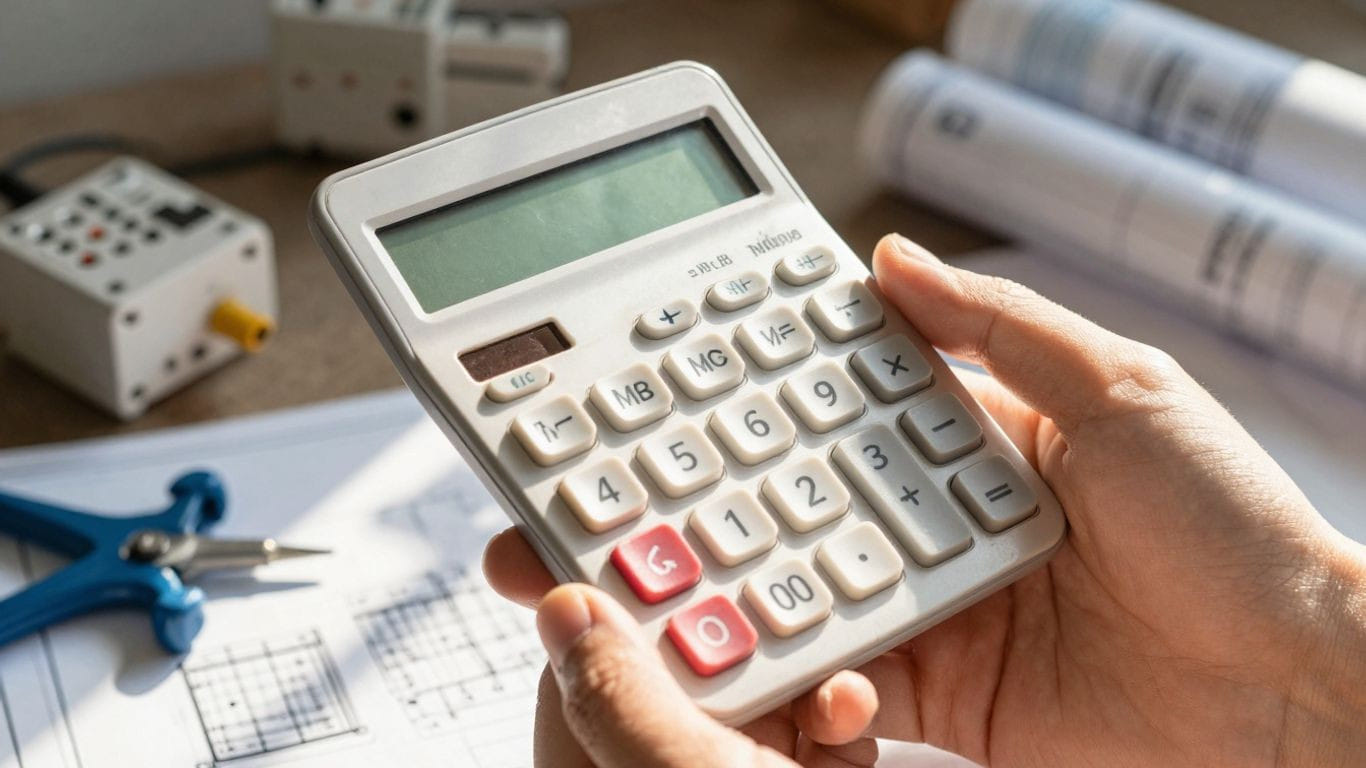
Okay, so you've got your accounting software sorted and you're starting to get a handle on those financial statements. That's awesome! But just knowing where your money's been isn't enough if you want your electrician business to really take off. We need to talk about how to actually use that financial info to make your business bigger and better.
The Importance Of Cash Flow Management
Think of cash flow like the blood in your business's veins. If it stops moving, things get pretty dicey, fast. Even if you're landing big jobs and have a ton of work lined up, if the money isn't coming in fast enough to pay your guys, your suppliers, or your rent, you're going to have a major headache. Its not just about being profitable on paper; its about having actual cash in the bank when you need it.
Heres how to keep that cash flowing:
- Invoice like a lightning bolt: As soon as a job is done, send that invoice. Seriously. Don't wait. Use your phone app if you have to. The faster you invoice, the faster you get paid.
- Make paying easy: Offer a few ways for clients to hand over their cash. Credit cards, online payments, whatever works. The fewer hoops they have to jump through, the better.
- Break up big jobs: For those massive projects that take weeks or months, don't wait until the very end to get paid. Set up payment milestones in your contract like a chunk for materials, another after the rough-in, and so on. This protects you and keeps money coming in.
- Automate reminders: Set up your software to politely nudge clients about overdue bills. It saves you awkward phone calls and keeps your accounts receivable from getting old.
Keeping a close eye on your cash flow means you can handle unexpected expenses without breaking a sweat and have the funds ready to grab new opportunities when they pop up. Its the difference between just surviving and actually thriving.
Setting Achievable Financial Goals
Where do you want your business to be in a year? Five years? Just winging it isn't a strategy. Setting clear goals gives you something to aim for and helps you make smarter decisions every day. We're talking about goals that are specific, measurable, achievable, relevant, and time-bound the whole SMART thing.
For example, instead of saying "I want to make more money," try:
- Increase yearly revenue by 15% by the end of next year. (Specific, Measurable, Time-bound)
- Reduce overhead costs by 5% in the next six months by renegotiating supplier contracts. (Specific, Measurable, Time-bound, Achievable, Relevant)
- Add two new commercial clients in the next quarter, increasing our commercial service revenue by 20%. (Specific, Measurable, Achievable, Relevant, Time-bound)
Review these goals regularly. Are you on track? Do you need to adjust your plan? Goals aren't set in stone; they're guides.
Managing Debt For Business Flexibility
Most businesses, including electrician services, need some debt to grow. Maybe it's a loan for a new van, some fancy new tools, or a line of credit for busy periods. Debt isn't inherently bad, but if you're not careful, it can become a real burden and tie your hands.
Heres how to handle it:
- Know your terms: Understand exactly what you're paying in interest and when payments are due. No surprises.
- Tackle high interest first: If you have multiple loans, focus on paying down the ones with the highest interest rates. It saves you money in the long run.
- Pay on time, every time: This keeps your credit score healthy, which means better terms if you need to borrow again down the road.
Smart debt management means you have the flexibility to invest in new equipment, hire more people, or take on bigger projects without feeling like you're drowning in payments. It gives you options.
Optimizing Tax Planning For Electrician Businesses
Okay, let's talk taxes. Nobody really enjoys tax season, but being smart about it can seriously save you money. Its not just about writing checks; its about planning ahead so you owe less and can keep more of what you earn to grow your business.
Identifying Deductible Business Expenses
This is where you get to write off the costs of doing business. Think about everything you spend money on to make money. If its directly related to your electrical work, chances are its deductible. This includes things like:
- Tools and Equipment: That new drill, a fancy multimeter, or even a van for your jobs.
- Materials: Wire, conduit, breakers all the stuff you use on site.
- Vehicle Expenses: Mileage, gas, insurance, and repairs for your work vehicles.
- Training and Certifications: Keeping your skills sharp and your licenses up-to-date.
- Business Insurance: Liability, workers' comp, you name it.
- Office Supplies: Even if your office is just a desk in your home.
- Professional Fees: Like the cost of hiring an accountant (hey, that's us!).
Keeping super detailed records is your best friend here. Receipts, invoices, mileage logs the more you have, the easier it is to prove your deductions if the tax folks come knocking.
Exploring Available Tax Credits
Tax credits are even better than deductions because they reduce your tax bill dollar-for-dollar. For electricians, there are a few common ones to look out for:
- Apprenticeship Credits: If you hire and train apprentices, the government often offers incentives.
- Energy Efficiency Credits: Sometimes there are credits for using or installing energy-saving equipment, which can be a nice bonus.
- Hiring Credits: Depending on your location and who you hire (like veterans or long-term unemployed individuals), there might be credits available.
Its worth talking to a tax pro to see exactly which credits your business might qualify for. They change, and knowing about them can save you a bundle.
Choosing the Optimal Business Structure
How you set up your business legally has a big impact on your taxes. Are you a sole proprietor, a partnership, an LLC, or an S-corp? Each has different tax rules.
- Sole Proprietorship/Partnership: Simpler to set up, but your business income is taxed at your personal income tax rate. You're also personally liable for business debts.
- LLC (Limited Liability Company): Offers liability protection and can be taxed in different ways, often like a sole proprietorship or partnership, or as an S-corp.
- S-Corporation: Can sometimes help you save on self-employment taxes by allowing you to pay yourself a
Knowing When To Seek Professional Accounting Support
Look, we all love being the go-to person for electrical work, right? That's your zone of genius. But when it comes to your business's money, sometimes you need a specialist. Trying to be an expert at everything can actually hold your business back. If you're spending way too much time wrestling with spreadsheets or feeling lost when you look at your financial reports, it's probably time to call in the cavalry.
Recognizing The Need For Expert Assistance
So, how do you know it's time to get some help? It's not just about being bad at math; it's about efficiency and growth. Here are a few signs that point to needing a pro:
- You're drowning in paperwork: If bookkeeping tasks are eating up more than a few hours each week, that's time you could be spending on jobs or with customers. Your expertise is in electrical work, not data entry.
- You're falling behind: Are invoices going out late? Are you struggling to reconcile your bank accounts? This can lead to cash flow problems and missed payments.
- Financial reports are a mystery: If you look at your Profit and Loss statement or Balance Sheet and just don't get what it's telling you, that's a big red flag. You can't make smart decisions if you don't understand your financial picture.
- Tax season is a panic attack: If you're scrambling at the last minute to get your taxes done, you're likely missing out on deductions and credits. A professional can help you plan year-round.
Trying to manage your business finances without the right knowledge is like trying to wire a complex system without the right tools. You might get it done eventually, but it's going to be messy, inefficient, and probably not up to code.
Benefits Of Hiring A Bookkeeper Or Accountant
Bringing in a professional isn't just about offloading tasks; it's about gaining a strategic partner. A good bookkeeper or accountant can:
- Save you money: Seriously. They can spot errors, prevent duplicate payments, and help you collect outstanding invoices faster. They can also identify tax deductions you might have missed.
- Free up your time: Imagine what you could do with those extra hours spent on bookkeeping. More client calls? More job estimates? More time with your family?
- Provide clarity: They translate those confusing financial statements into plain English, helping you understand your business's health and make better decisions.
- Help you grow: With a clear financial picture and strategic advice, you can set realistic goals and plan for expansion. They can help you understand the financial implications of new services or equipment. For example, understanding the costs associated with new smart home installations is something a specialist can help with.
Selecting The Right CPA For Your Trade Business
When you decide to get help, it's important to find someone who 'gets' your business. Not all accountants are created equal, especially when it comes to trades.
- Look for industry experience: Find a CPA or bookkeeper who has worked with other electrical contractors or trades businesses. They'll understand your unique challenges, like job costing, project-based revenue, and specific tax rules for your industry. Meritorious Consultants, for instance, provides specialized bookkeeping services designed for the unique operational and financial needs of electrical contracting businesses.
- Check their tech savviness: Do they use modern accounting software? Can they help you implement digital tools to streamline your record-keeping?
- Ask about their communication style: You want someone you can talk to easily and who explains things clearly. A good accountant will help you develop your financial literacy, not just do the numbers for you.
- Consider their services: Do you just need someone to handle the books, or do you need help with tax planning, financial forecasting, or even business structure advice? Make sure they offer what you need now and potentially in the future.
Schedule a consultation to see how Proven can help your business thrive.
Let’s discuss Proven’s streamlined back-office solutions and strategic executive leadership.