
Unpacking the 'Quality of Earnings': A Deep Dive for Investors
Demystifying the Quality of Earnings Report
The Essence of a Quality of Earnings Report
Think of a Quality of Earnings (QoE) report as a financial detective's notebook. It's not just about looking at the final numbers on a balance sheet; it's about digging into how those numbers came to be. The main idea is to get a really clear picture of a company's actual earning power, stripping away anything that might be a one-off event or an accounting trick. It's all about figuring out what a business can consistently earn. This report takes a close look at revenue, expenses, and profits, trying to understand the story behind them.
A QoE report aims to show the true, sustainable profitability of a business, separate from temporary boosts or unusual costs.
Understanding Its Core Components
So, what's actually in one of these reports? It's not just a single document, but more like a collection of financial information that gets thoroughly examined. Here are some of the key pieces:
- Monthly Financial Statements: These are the bread and butter, showing how the company performed month by month. It gives a more detailed look than just quarterly or annual reports.
- Supporting Schedules: These are detailed breakdowns of specific accounts or transactions. Think of them as the footnotes that explain the main story in the financial statements.
- Key Performance Indicators (KPIs): While not always a separate component, the analysis often looks at specific metrics that show how well the business is running and how profitable it is.
These components are put under a microscope to make sure everything is on the up and up.
Quality of Earnings Reports Versus Audited Financial Statements
It's easy to get QoE reports mixed up with audited financial statements, but they're quite different. An audited financial statement is like a stamp of approval saying the numbers are presented fairly, according to accounting rules. It's like looking at a car's exterior it looks good, and the basic structure is sound.
A QoE report, though, is more like taking that car to a mechanic for a full inspection. It goes way beyond the surface. It looks for things like:
- Non-recurring revenues or expenses: Did the company have a big, one-time sale that won't happen again? Or a huge, unusual repair bill?
- Accounting adjustments: Are there ways the company is accounting for things that might inflate or deflate earnings temporarily?
- Operational insights: How do the day-to-day operations actually impact the bottom line?
Basically, an audited statement tells you if the books are balanced. A QoE report tells you if the business itself is healthy and how reliably it makes money.
The Strategic Importance of Quality of Earnings Reports
Illuminating Value for Sellers
So, you're thinking about selling your business? A Quality of Earnings (QoE) report can be your secret weapon. It's like getting your business all spiffed up and ready for its close-up. Instead of just handing over a stack of financial statements, a QoE report digs deep. It shows potential buyers the real story behind your numbers what your earnings actually look like, after you strip away any one-off expenses or accounting quirks that might be hiding on the surface. This report helps paint a picture of sustainable profitability, which can seriously boost what buyers are willing to pay. It's about presenting your business in the best possible light, backed by solid financial analysis.
Amplifying Purchase Price Through Sell-Side Reports
When you're the one selling, a QoE report prepared from your side (a sell-side report) is a smart move. It's like getting a head start on the buyer's due diligence. You're essentially saying, "Here's the deal, here's why my business is worth what I'm asking." This proactive approach can make a big difference. It builds confidence with potential buyers right from the get-go. They see that you're transparent and that you've already done the homework to back up your valuation. This can smooth out negotiations and, frankly, might just get you a better price.
Heres a quick look at what a sell-side report can highlight:
- Normalized Earnings: Showing what your profits look like without unusual, non-recurring items.
- Adjusted EBITDA: A common metric that gives a clearer view of operating performance.
- Working Capital Analysis: Demonstrating the cash needed to run the business day-to-day.
Guiding Buyers Through Financial Complexities
For buyers, wading through a target company's financials can feel like trying to read a foreign language. That's where a QoE report shines. It acts as a translator, breaking down complex financial information into understandable terms. It helps buyers spot potential red flags things like aggressive accounting practices or revenue that isn't likely to stick around.
This detailed examination goes beyond the standard audit, offering a granular view that helps buyers make a more informed decision. It's about understanding the true financial engine of the business, not just its outward appearance.
Essentially, a QoE report gives buyers the confidence they need to proceed with a deal, knowing they have a clearer picture of what they're actually buying. It helps them avoid nasty surprises down the road and negotiate terms that reflect the company's true financial health.
Navigating the Nuances and Limitations
Okay, so we've talked about how cool Quality of Earnings (QoE) reports can be for getting a real feel for a company's finances. But, like anything in life, they aren't perfect. Think of a QoE report as a really detailed snapshot, but it's still just a snapshot. It tells you a lot about a specific moment in time, but it can't predict the future, and sometimes things just don't go as planned.
Understanding Report Limitations
These reports are super helpful, but they're not a crystal ball. They look back at what happened, not what will happen. A company might have had amazing earnings last year, but that doesn't guarantee the same this year. Plus, the people putting the report together are looking at the information they're given. If something's hidden or misrepresented, even the best analyst might miss it. It's like trying to judge a book by its cover sometimes the inside is totally different.
- Historical Data Only: QoE reports are based on past financial performance. They don't account for future market shifts, new competitors, or unexpected economic downturns.
- Analyst Interpretation: While thorough, the analysis involves judgment. Different analysts might view certain adjustments or trends slightly differently.
- Scope Limitations: The report focuses on financial aspects. It might not fully capture operational risks, management team dynamics, or long-term strategic challenges unless they directly impact the numbers.
It's important to remember that a QoE report is a tool, not the final answer. It provides a clearer picture of past performance, but it doesn't eliminate all the risks associated with investing or buying a business.
The Time-Bound Nature of QoE Reports
This is a big one. A QoE report is a look at a specific period. Let's say a company gets a report done in January. By June, things could have changed quite a bit. Maybe they landed a huge new contract, or maybe their biggest client just left. The report is a great baseline, but you can't just file it away and forget about it. You've got to keep an eye on what's happening now.
Unpredictability of Business Winds
Businesses operate in a world that's always changing. Think about supply chain issues, new regulations, or even just a shift in consumer tastes. A QoE report can't possibly account for all these external factors. It's like trying to predict the weather a year from now you can make an educated guess, but you'll probably be wrong about the specifics. The real value comes when you combine the insights from a QoE report with your own understanding of the current market and future trends.
The Preparation Journey: How Is a Quality of Earnings Report Crafted?
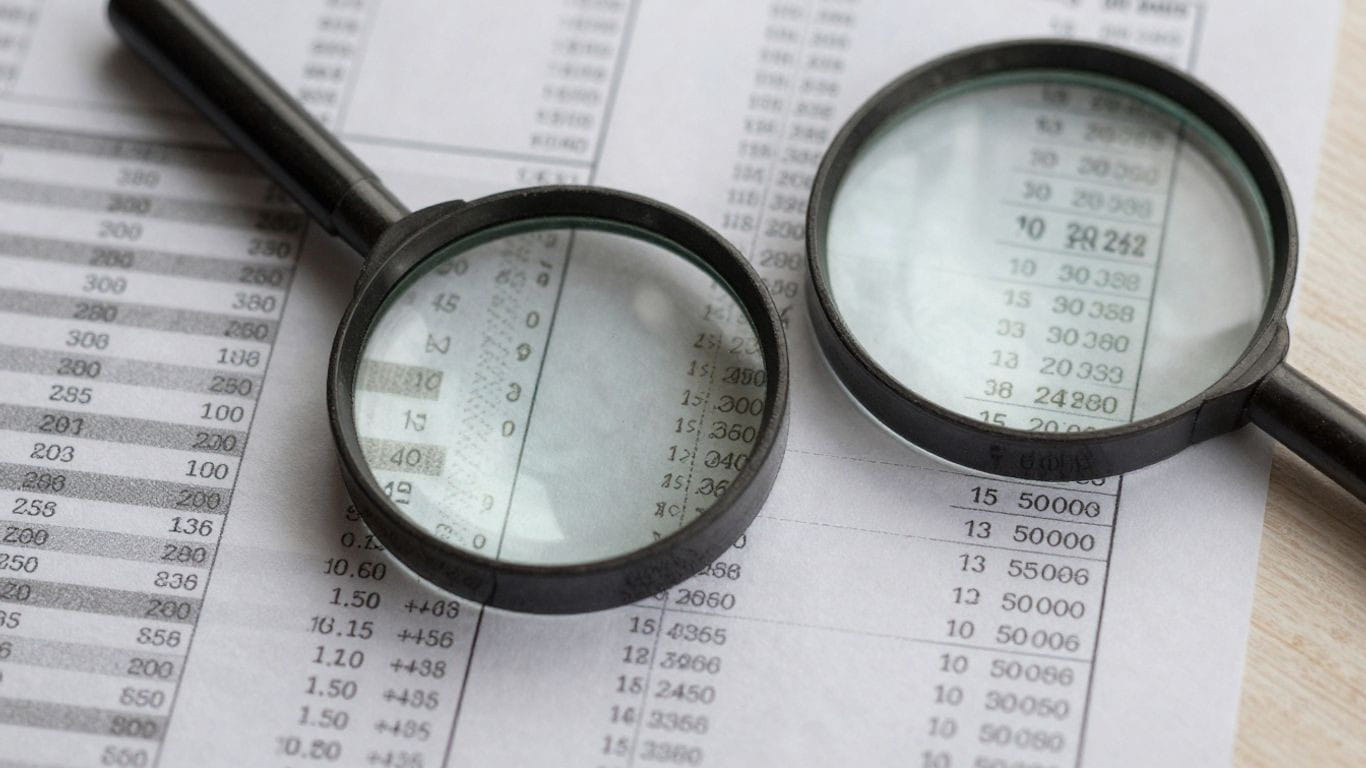
So, you're wondering how one of these Quality of Earnings (QoE) reports actually gets made? It's not exactly a 'set it and forget it' kind of thing. Think of it like getting ready for a big, important dinner party you need the right ingredients, a solid plan, and some serious kitchen skills.
Gathering the Financial Ingredients
First things first, you need the raw materials. This means pulling together all the relevant financial documents. We're talking about:
- Monthly financial statements (income statements, balance sheets, cash flow statements)
- Annual audited financial statements
- Tax returns
- General ledgers
- Supporting schedules for things like revenue, expenses, and fixed assets
- Information about the company's accounting policies
These documents are the foundation. Without them, you're trying to build a house without any bricks.
The Meticulous Analysis Phase
This is where the real work happens. A team of financial pros gets their hands dirty digging into those numbers. They're not just looking at the totals; they're dissecting everything. They'll:
- Normalize earnings: This is a big one. They adjust for any one-time or unusual items that might be skewing the reported profits, like a big lawsuit settlement or a gain from selling off a piece of property. The goal is to show what the business really earns from its ongoing operations.
- Scrutinize revenue recognition policies to make sure sales are being recorded properly.
- Examine expense trends, looking for anything out of the ordinary or any costs that might not continue under new ownership.
- Check working capital components, like accounts receivable and inventory, to see if they're being managed efficiently.
- Review debt and other liabilities to get a clear picture of the company's financial obligations.
It's all about peeling back the layers to understand the true, sustainable earning power of the business, separate from any accounting quirks or temporary bumps in the road.
Timing the Report to Deal Cycles
When does this whole process happen? It really depends on the situation. If a company is preparing to sell, they might start this process well in advance to get their house in order and present the best possible picture. For buyers, the QoE report is usually a key part of their due diligence, happening after an initial offer has been made but before the deal is finalized.
- Sell-side reports: Can take 4-6 weeks to prepare, allowing time for analysis and drafting.
- Buyer-side reports: Often need to be completed within a tighter timeframe, sometimes 2-4 weeks, depending on the deal's urgency.
Getting a QoE report done right takes time and a sharp eye for detail. It's a deep dive that gives everyone involved a much clearer view of what they're dealing with.
Beyond the Basics: Advanced Insights
So, we've covered the nuts and bolts of a Quality of Earnings (QoE) report. But what if you want to look past the immediate numbers? These reports can actually give you a peek into what might happen down the road and how solid the business really is.
Peering into Future Potential
Think of a QoE report not just as a look back, but as a predictor. By digging into things like a company's sales pipeline, customer contracts, and even their research and development spending, you can get a sense of where future earnings might come from. Its about spotting trends that arent fully reflected in past financial statements yet.
For example, a company with a strong backlog of orders or a new product about to launch might show earnings that look okay now, but the QoE can highlight the potential for significant growth. Its like seeing the seeds planted, even if the harvest isnt in yet.
Unveiling Robustness and Sustainability
Beyond just the profit numbers, a good QoE report will tell you how sustainable those profits are. Is the company relying on one big client that could leave any day? Are their costs likely to jump up soon because of market changes? These reports try to answer that.
Heres a quick look at what makes earnings robust:
- Customer Concentration: How much business comes from your top few customers?
- Revenue Recognition: Are sales being booked too early, or are they tied to actual delivery?
- Cost Structure: Are there fixed costs that could become a problem if sales dip?
- Market Position: How does the company stack up against competitors, especially in fast-changing industries like tech?
A business that can keep making money even when things get a bit bumpy is the kind you want to invest in. Its not just about hitting home runs; its about consistently getting on base.
Strategic Advantages Beyond Surface Figures
Sometimes, the real value in a QoE report isn't in the numbers themselves, but in what they reveal about the company's strategy and operations. You might find out that a company has a unique way of managing its inventory that saves a ton of money, or that its employee retention is unusually high, which points to a stable and productive workforce. These aren't always obvious from a standard income statement.
Consider this table showing how different factors can impact perceived earnings:
| Factor | Impact on Reported Earnings | QoE Insight |
|---|---|---|
| One-time gain from asset sale | Increases | Adjusts out, showing core operational earnings. |
| Aggressive revenue booking | Increases | Flags potential for future restatements. |
| High R&D investment | Decreases (short-term) | Highlights investment in future growth. |
| Customer churn | Decreases (future) | Warns of potential future revenue decline. |
Why Buyers, Lenders, and Investors Seek Clarity Through QoE Reports
So, why do buyers, lenders, and investors get so excited about Quality of Earnings (QoE) reports? Think of it like this: you wouldn't buy a used car without kicking the tires and checking under the hood, right? A QoE report is basically the financial equivalent of that thorough inspection. It's all about getting a real, unvarnished look at a company's financial health, beyond just the numbers you see on the surface.
These reports are super helpful for a few key reasons:
- Spotting the Real Earnings: They dig deep to figure out what a company's earnings really look like, stripping away any one-off events or accounting tricks that might make things look better (or worse) than they actually are. This helps everyone involved see the true earning power.
- Understanding the Risks: QoE reports highlight potential red flags or uncertainties that might not be obvious in a standard financial statement. This gives buyers and investors a heads-up on what challenges they might face down the road.
- Making Smarter Decisions: With a clearer picture of the company's financial reality, buyers can negotiate better terms, lenders can assess risk more accurately, and investors can make more informed choices about where to put their money. It's about moving forward with confidence.
Shining a Light on Earnings Nuances
Financial statements can sometimes be a bit like a magician's trick lots of smoke and mirrors. A QoE report aims to pull back the curtain. It looks at things like revenue recognition policies, unusual expenses, or changes in accounting methods that could skew the reported profits. For instance, a buyer might see a big jump in revenue, but the QoE report could reveal that a chunk of it came from a one-time contract that won't be repeated. This kind of detail is gold for anyone making a significant financial commitment, like acquiring a business or providing a large loan. It helps them understand the sustainability of those earnings, which is a big deal when you're talking about long-term investments.
Fishing Out Flukes and Accounting Adjustments
Ever heard of "cookie jar accounting"? It's a way companies might smooth out their earnings by hiding extra profits in good times to use in leaner periods. Or maybe there was a big, unusual expense last year like a lawsuit settlement that won't happen again. A QoE report meticulously sifts through these kinds of items. It separates the recurring, normal operations from the one-off events or accounting adjustments. This means that instead of basing a decision on a potentially misleading historical number, stakeholders can focus on the normalized, sustainable earnings of the business. It's about getting to the core financial performance, free from temporary distortions.
Making Smarter Financial Moves
Ultimately, all this digging and analysis boils down to making better decisions. For a buyer, understanding the true quality of earnings can mean the difference between overpaying for a company and striking a fair deal. Lenders can set more appropriate loan terms and interest rates when they have a solid grasp of the borrower's actual financial stability. Investors, whether they're looking at private equity or public markets, can avoid costly mistakes by seeing past the surface-level numbers. Its about reducing uncertainty and increasing the likelihood of a successful financial outcome.
The goal isn't just to see what the company said it earned, but to figure out what it actually earned, and whether that earning power is likely to stick around. This clarity is what separates a good deal from a bad one.
Final Reflections: The Enduring Relevance of Quality of Earnings Reports
So, we've gone through the nitty-gritty of what a Quality of Earnings (QoE) report is all about. It's pretty clear these aren't just fancy documents for accountants to play with. Think of them as the real storytellers of a company's financial health, going way beyond what the standard reports show.
Guiding Stakeholders Through Financial Disclosures
These reports are like a super-detailed map for anyone involved in a business deal. They help sort out all the complicated financial talk and accounting rules, making it easier to see what's really going on. Its not just about the numbers on a page; its about understanding how those numbers came to be and what they truly mean for the business.
- They help buyers understand the true earning power of a company.
- Sellers can use them to back up their asking price with solid data.
- Lenders get a clearer picture of the company's ability to repay debt.
Minimizing Risk in Business Transactions
When you're buying or selling a business, there's always a bit of guesswork involved. QoE reports help cut down on that guesswork. They dig into things like how revenue is recorded and what expenses are really normal for the business, separating the one-time events from the ongoing performance. This means fewer surprises down the road.
By looking closely at adjusted earnings and other key figures, a QoE report helps everyone involved make more informed decisions, reducing the chances of overpaying or selling too low.
Unraveling Mysteries Beyond Standard Reports
Sometimes, the regular financial statements just don't tell the whole story. They might not highlight unusual transactions or accounting choices that could affect the company's true value. A QoE report acts like a financial detective, sniffing out these details and presenting a more accurate view. Its about getting to the heart of the matter, not just looking at the surface.
| Aspect Examined | What it Reveals |
|---|---|
| Revenue Recognition | How sales are counted and if it's sustainable. |
| Expense Normalization | Identifying and adjusting for unusual or one-off costs. |
| Working Capital | The company's short-term financial health. |
| Debt & Debt-like Items | Understanding the true debt burden. |
Schedule a consultation to see how Proven can help your business thrive.
Let’s discuss Proven’s streamlined back-office solutions and strategic executive leadership.